
Trauma therapy · In-person in Toronto and Online across Ontario
Trauma changes how we experience ourselves, relationships and the world
Trauma therapy can help you understand what happened to you, reconnect with your body and build a greater sense of safety, choice and connection.
Trauma can stay with us long after experience is over
Trauma is not only about what happened. It can also shape how we feel in our bodies, how safe we feel with other people, and how we respond to stress, conflict, intimacy, and uncertainty. You may notice that you:
- feel anxious, on edge, or easily overwhelmed
- shut down, disconnect, or feel numb
- have difficulty trusting others or feeling safe in relationships
- experience shame, self-criticism, or a sense that something is wrong with you
- have intrusive memories, nightmares, or strong reactions to reminders of the past
Trauma therapy creates space to understand these responses with compassion and curiosity. Rather than asking, “What is wrong with me?”, we begin to explore “What happened, and how did I learn to survive it?”.
How trauma therapy can help
What We Can Work on Together
- understanding trauma responses and triggers
- reducing anxiety, hypervigilance, shutdown, and overwhelm
- feeling safer and more connected in your body
- working with shame, self-criticism, and inner critic
- developing healthier boundaries and relationship patterns
- processing traumatic memories without becoming overwhelmed
- rebuilding trust, intimacy, and a sense of connection with others
What May Begin to Feel Different
- feeling more grounded and present in everyday life
- greater capacity to notice and regulate difficult emotions
- more trust in your own needs, boundaries, and instincts
- feeling safer in closeness, intimacy, and relationships
- less shame and self-blame about how you learned to survive
- greater flexibility when faced with stress, conflict, or uncertainty
- more connection to pleasure, creativity, rest, and aliveness
- a stronger sense that your past is part of your story, not the entirety of who you are
WHO TRAUMA THERAPY CAN SUPPORT
Trauma therapy may be a good fit if…
- you have experienced trauma, abuse, violence, or significant loss
- you live with PTSD or complex trauma symptoms
- you feel anxious, hypervigilant, numb, disconnected, or easily overwhelmed
- relationships, intimacy, or trust feel difficult
- you notice patterns of people-pleasing, shutdown, avoidance, or over-functioning
Starting therapy
Choose a therapist and appointment time that works for you. You can meet in person in Toronto or virtually across Ontario.
Your first session is a chance to talk about what brings you to therapy, what you hope will feel different, and what support might be most helpful.
Begin at your own pace
Together, we’ll build a therapy process that feels collaborative, thoughtful, and responsive to your needs..
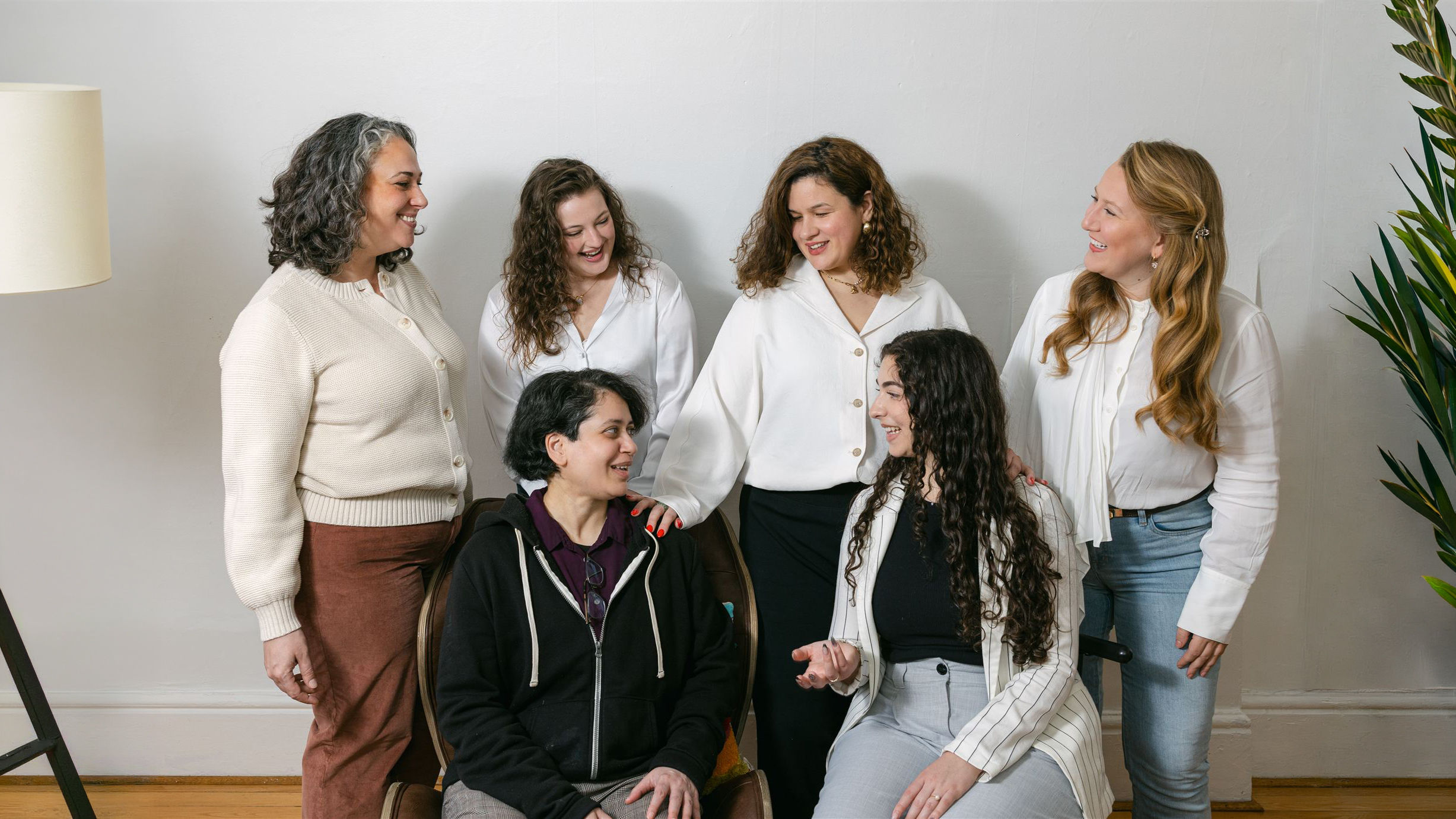
Trauma therapy with Ivana Psychotherapy
Our therapists work with trauma and complex trauma through relational, somatic, and trauma-informed approaches. We support clients who may be navigating PTSD, attachment wounds, grief, violence, immigration and displacement, relationship difficulties, or longstanding patterns of anxiety, shutdown, and overwhelm.Therapy is collaborative and paced with care. We pay attention not only to your story, but also to how trauma may show up in your body, relationships, emotions, and nervous system.
“Over and over, the answer is the same, isn’t it? Love, love, love. The salve and the cure. In order to become a better person, I had to do something utterly unintuitive. I had to reject the idea that punishing myself would solve the problem. I had to find the love.”
— Stephanie Foo
Trauma therapy in Toronto and online across Ontario
You are beautiful
Individual trauma therapy for adults PTSD & C-PTSD In-Person and Online